


0045. 跳跃游戏 II【中等】
1. 📝 题目描述
给定一个长度为 n 的 0 索引 整数数组 nums。初始位置在下标 0。
每个元素 nums[i] 表示从索引 i 向后跳转的最大长度。换句话说,如果你在索引 i 处,你可以跳转到任意 (i + j) 处:
0 <= j <= nums[i]且i + j < n
返回到达 n - 1 的最小跳跃次数。测试用例保证可以到达 n - 1。
示例 1:
txt
输入: nums = [2, 3, 1, 1, 4]
输出: 2解释:
- 跳到最后一个位置的最小跳跃数是 2。
- 从下标为 0 跳到下标为 1 的位置,跳 1 步,然后跳 3 步到达数组的最后一个位置。
示例 2:
txt
输入: nums = [2, 3, 0, 1, 4]
输出: 2提示:
1 <= nums.length <= 10^40 <= nums[i] <= 1000- 题目保证可以到达
n - 1
2. 🎯 s.1 - 贪心
c
int jump(int* nums, int numsSize) {
    int jumps = 0, curEnd = 0, farthest = 0;
    for (int i = 0; i < numsSize - 1; i++) {
        if (i + nums[i] > farthest)
            farthest = i + nums[i];
        if (i == curEnd) { // 到达当前轮次边界,必须跳一次
            jumps++;
            curEnd = farthest;
        }
    }
    return jumps;
}js
/**
 * @param {number[]} nums
 * @return {number}
 */
var jump = function (nums) {
  let jumps = 0 // 跳跃次数
  let curEnd = 0 // 当前跳跃轮次能到达的最远下标
  let farthest = 0 // 遍历过程中能到达的最远下标

  for (let i = 0; i < nums.length - 1; i++) {
    farthest = Math.max(farthest, i + nums[i])
    if (i === curEnd) {
      // 到达当前轮次边界,必须跳一次
      jumps++
      curEnd = farthest
    }
  }

  return jumps
}py
class Solution:
    def jump(self, nums: List[int]) -> int:
        jumps = 0
        cur_end = 0  # 当前跳跃轮次能到达的最远下标
        farthest = 0  # 遍历中能到达的最远下标

        for i in range(len(nums) - 1):
            farthest = max(farthest, i + nums[i])
            if i == cur_end:  # 到达当前轮次边界,必须跳一次
                jumps += 1
                cur_end = farthest

return jumps- 时间复杂度:
,只需遍历一次数组 - 空间复杂度:
,只使用常数级额外空间
算法思路:
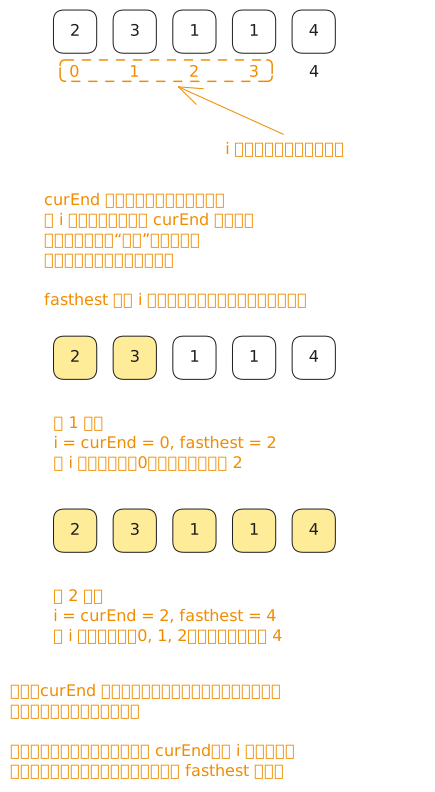
- 将跳跃过程分「轮次」:每轮从上一次跳跃落点出发,贪心地找出这一轮所有位置能到达的最远下标
farthest - 遍历时用
curEnd记录当前轮次的右边界,当i == curEnd时说明必须跳一次,更新curEnd = farthest,跳跃次数加一 - 循环只到
n - 2,因为到达最后一个位置时无需再计数